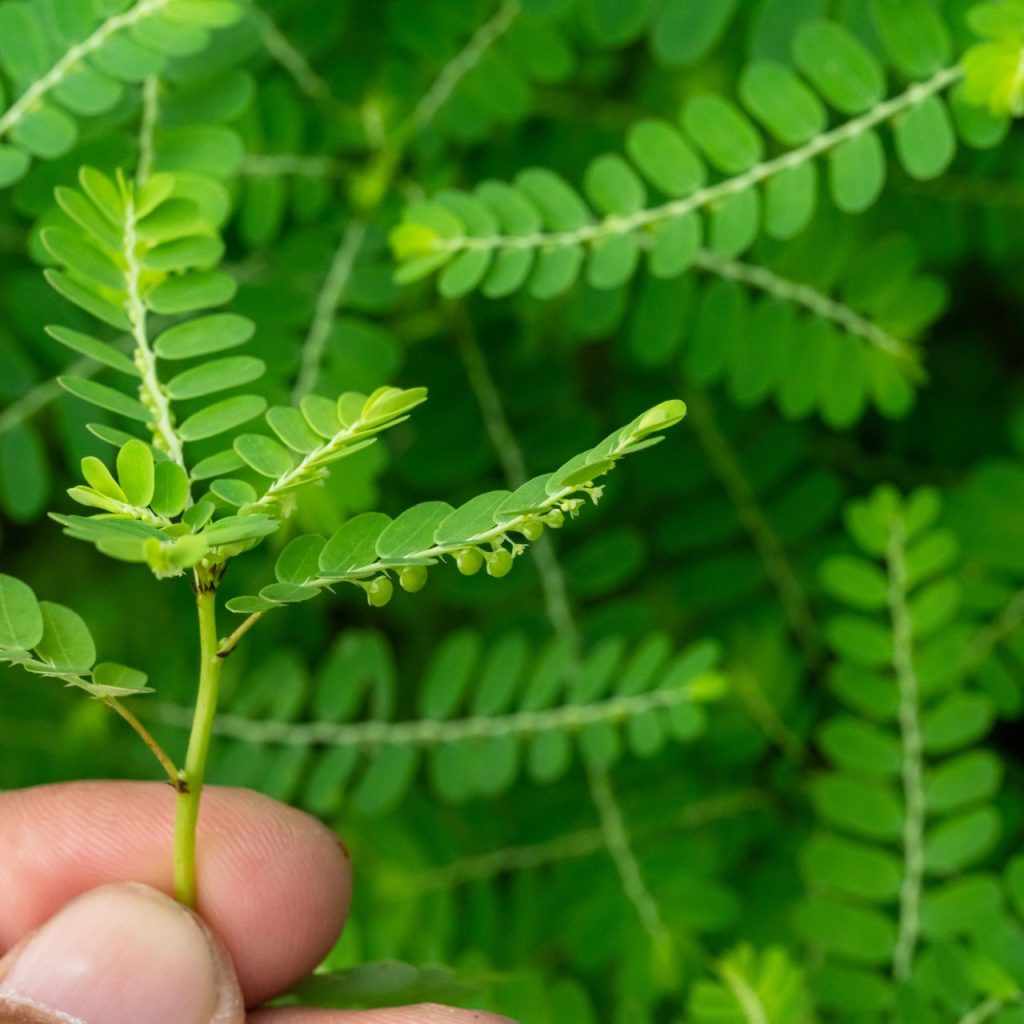
Scientifically classified under the genus Phyllanthus, has long held a respected place in traditional ayurvedic practice. Its ability to modulate oxidative stress, inflammation, liver metabolism, and cellular repair mechanisms makes it a robust natural agent for liver and systemic health.
It offers a natural remedy to our modern lifestyle induced liver- issues caused by poor diet, alcohol consumption, and environmental toxins promising a shot at a healthy future.
Bhumyamalaki
*
Bhumyamalaki
*
Bhumyamalaki
*
Bhumyamalaki
Key Bioactive Compounds:
The therapeutic efficacy of Bhumyamalaki stems from its rich phytochemical composition:
Lignans: Phyllanthin, Hypophyllanthin
Flavonoids: Quercetin
Tannins: Gallic acid, Ellagic acid
Other Phytochemicals: Terpenoids, Alkaloids
Key Metabolites:
Brevifolin
Brevifolin carboxylate
8,9-Epoxy brevifolin
These compounds are especially noted for their hepatoprotective, antioxidant, and anti-inflammatory actions.
Therapeutic Versatility:
Research supports its use for numerous health concerns owing to its broad pharmacological profile, which includes:
Hepatoprotective:
Supports liver regeneration, enhances bile secretion, and modulates enzyme activity. It is particularly useful in managing jaundice and liver toxicity.
Anti-inflammatory:
Mitigates inflammation, especially in liver tissues, by downregulating proinflammatory cytokines.
Antioxidant: Reduces oxidative stress by scavenging harmful free radicals and promoting endogenous antioxidant enzymes.
Antiviral and Antimicrobial: Effective against a range of pathogens, including hepatitis viruses.
Antidiabetic and Hypolipidemic: Helps regulate blood sugar and lipid profiles.
Nephroprotective and Diuretic: Offers renal protection and supports urinary health.
Anticarcinogenic and Anti-ulcer: Demonstrates potential in tumor inhibition and gastric mucosal protection.
Mechanisms of Action:
The therapeutic impact of Bhumyamalaki is attributed to its effect on multiple biochemical pathways involved in liver health. It enhances hepatic detoxification, stimulates bile production, and regulates inflammatory mediators to restore liver function and reduce symptoms of hepatobiliary diseases.
Additionally, its antioxidant effects play a crucial role in minimizing oxidative damage which is a key factor in liver injury and progression to chronic liver disease.
Molecular Pathways:
At the molecular level, Bhumyamalaki acts through a number of well-studied pathways:
NF-κB Inhibition: Suppresses inflammatory gene expression and prevents fibrosis.
Antioxidant Enzyme Upregulation: Increases levels of enzymes like superoxide dismutase (SOD) and catalase to combat oxidative stress.
Akt/mTOR and Wnt/β-catenin Activation: Encourages cell regeneration and liver repair through proliferative signaling pathways.
Apoptosis Regulation: Protects hepatocytes by balancing pro-apoptotic signals and anti-apoptotic signals, minimizing liver cell death.