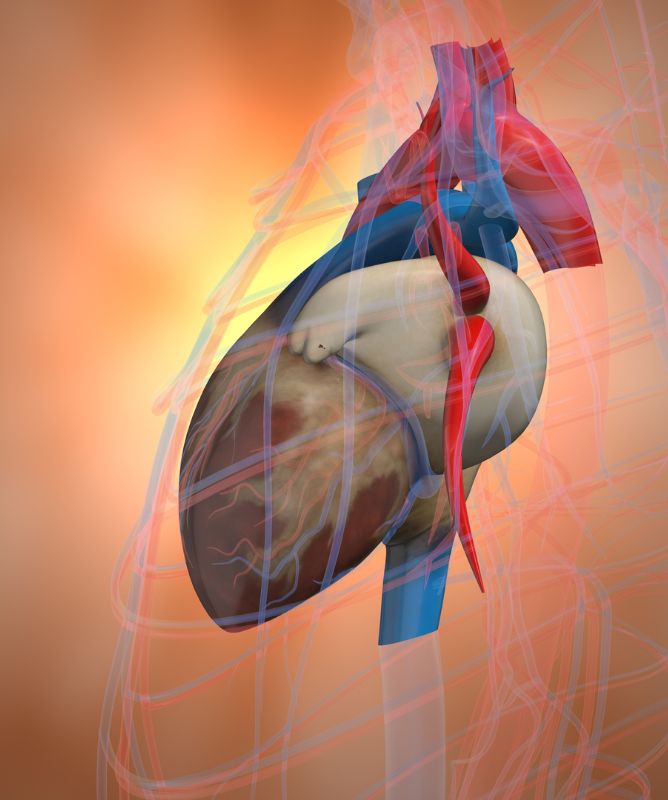
Heart failure occurs when the heart is unable to pump blood efficiently, leading to a range of symptoms like fatigue, shortness of breath, and fluid retention. It is often diagnosed using the Left Ventricular Ejection Fraction (LVEF), a measure of how well the heart pumps blood.
– Heart Failure with Reduced Ejection Fraction (HFrEF): When LVEF is reduced (<40%), the heart muscle weakens, leading to difficulty pumping blood.
– Heart Failure with Preserved Ejection Fraction (HFpEF): Despite a normal LVEF (>50%), the heart muscle becomes stiff, impairing relaxation and leading to similar symptoms.
Both types of heart failure can cause a range of symptoms, and early intervention is crucial to manage the condition effectively.
Common Symptoms of Heart Failure
If you're experiencing any of the following, it may be time to consult a healthcare provider:
Shortness of Breath (Dyspnoea)
Rapid Heartbeat
Weight Gain
Leg & Ankle Swelling
Fatigue
Nighttime Urination
Nausea or Appetite Loss
Chest Pain
Cough
Causes of Heart Failure
Heart failure can result from various underlying conditions, including:
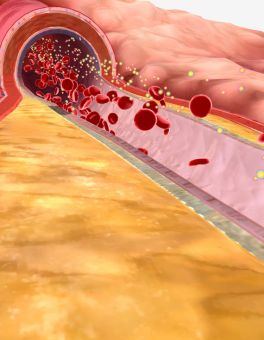
– Coronary Artery Disease (CAD): Reduced blood flow to the heart muscle due to plaque build up.
– Hypertension: High blood pressure that leads to left ventricular hypertrophy, making the heart less efficient.
– Diabetes: Chronic inflammation and endothelial damage, leading to coronary artery disease and impaired heart function.
– Obesity: Increases blood volume and systemic inflammation, putting extra strain on the heart.
– Valvular Heart Disease: Dysfunction of heart valves, leading to inefficient blood flow.
– Cardiomyopathy: Weakening of the heart muscle that hinders pumping ability.
– Chronic Kidney Disease: Often coexists with heart failure, leading to fluid overload and worsened symptoms.
Limitations of Medication Therapy
– Medications
Limitations: Symptom management only; does not reverse damage. Side effects include hypotension, kidney dysfunction, and electrolyte imbalances.
– Heart Transplantation
Limitations: Severe organ shortage, lifelong immunosuppressive therapy, and risk of rejection/infections.